How to Prevent Frozen Pipes in Colorado Springs
Why Do Pipes Freeze?
When water freezes, it expands. This expansion puts immense pressure on whatever is containing it, including metal or plastic pipes. No matter the strength of a container, expanding water can cause pipes to break. In Colorado Springs, where winter temperatures can plummet well below freezing, unprotected plumbing is at serious risk. The most vulnerable pipes are those located in unheated interior spaces such as basements, attics, and garages, as well as pipes that run against exterior walls with little or no insulation.
The True Cost of a Burst Pipe
A burst pipe is more than just an inconvenience; it's a major plumbing emergency that can cause thousands of dollars in water damage. When a pipe bursts, it can release hundreds of gallons of water per hour into your home, ruining drywall, flooring, furniture, and personal belongings. The structural damage and potential mold growth that follow can turn a simple plumbing issue into a massive renovation project. This is why prevention is not just recommended—it's absolutely essential for homeowners in our region.
Proactive Tips to Prevent Frozen Pipes
Taking action before the freezing temperatures hit is the best way to protect your home. Here are professional recommendations to keep your water flowing safely all winter long:
- Keep Garage Doors Closed: If there are water supply lines in the garage, keeping the doors closed helps maintain the temperature and blocks freezing drafts from hitting exposed pipes.
- Open Kitchen and Bathroom Cabinet Doors: This allows warmer air from the rest of the house to circulate around the plumbing under your sinks. This is especially important for sinks located on exterior walls.
- Let Faucets Drip: Letting a faucet drip slightly during extreme cold can prevent pressure buildup. Even a trickle of water can prevent the pipes from freezing solid, as moving water is less likely to freeze.
- Keep the Thermostat Consistent: Maintain the same temperature day and night. While you might be tempted to turn down the heat while sleeping to save on heating bills, the drop in temperature can be enough to freeze vulnerable pipes.
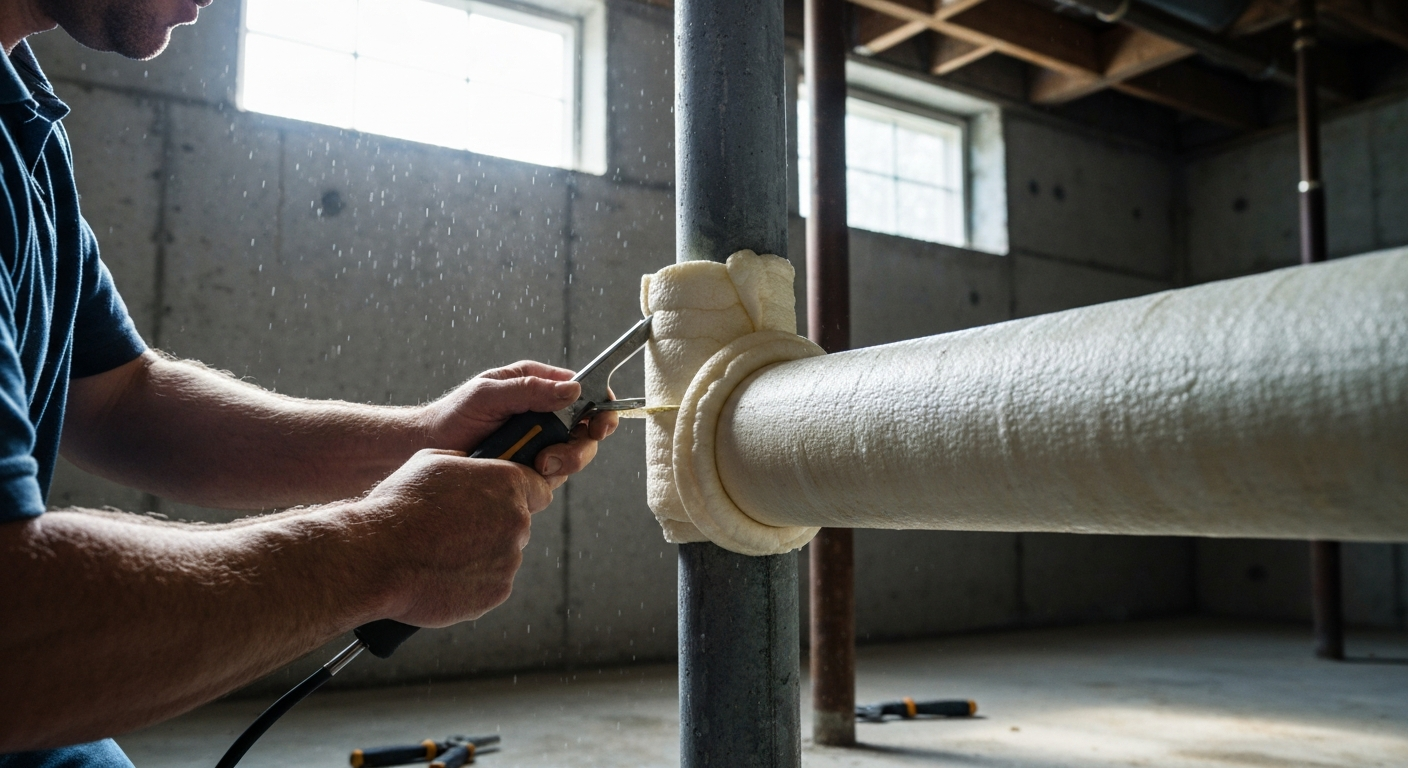
- Insulate Pipes: Add insulation to pipes in unheated areas like attics, basements, and crawl spaces. Foam pipe insulation is inexpensive and easy to install, but provides a crucial layer of protection against the cold.
- Seal Cracks and Leaks: Inspect the exterior of your home and seal any cracks or openings where cold air can enter near plumbing lines. Use caulk or expanding foam to keep the freezing air out.
What to Do If Your Pipes Freeze
If you turn on a faucet and only a trickle comes out, suspect a frozen pipe. Keep the faucet open. As you treat the frozen pipe and the ice plug begins to melt, water will begin to flow through the frozen area. Running water through the pipe will help melt ice in the pipe.
Apply heat to the section of pipe using an electric heating pad wrapped around the pipe, an electric hair dryer, a portable space heater, or by wrapping pipes with towels soaked in hot water. Do not use a blowtorch, kerosene or propane heater, charcoal stove, or other open flame device. Apply heat until full water pressure is restored.
If you are unable to locate the frozen area, if the frozen area is not accessible, or if you cannot thaw the pipe, call a licensed plumber immediately. Attempting to force a thaw or ignoring the problem can lead to a catastrophic burst.
Need assistance? Our plumbing team is available in Colorado Springs to help you handle frozen or burst pipes quickly and professionally.
