5 Signs Your Water Heater is Failing
The Lifespan of Your Water Heater
Your water heater is one of the hardest-working appliances in your home, providing hot water for showers, dishes, and laundry every single day. However, it won't last forever. Most traditional tank water heaters have a lifespan of about 8 to 12 years, while tankless models can last up to 20 years with proper maintenance. If your unit is approaching or has surpassed these age milestones, it's time to start paying much closer attention to its performance. Ignoring the signs of a failing water heater can lead to sudden breakdowns, cold showers, or even catastrophic leaks that cause significant water damage to your home.
5 Critical Warning Signs
Being proactive can save you from a major headache. Here are five unmistakable signs that your water heater is on its last legs and may need to be replaced soon:
- Inconsistent Water Temperature: If your water isn't getting as hot as it used to, or if the temperature fluctuates wildly during a single shower, the heating elements or the thermostat might be failing. While sometimes these components can be replaced, in older units, it's often a sign that the entire system is wearing out.
- Strange Noises: Rumbling, popping, or banging noises coming from the tank are never a good sign. These sounds usually indicate severe sediment buildup at the bottom of the tank. As the water heats, the sediment hardens and bangs against the tank walls. This not only reduces efficiency but can also lead to the tank cracking and leaking.
- Rusty or Discolored Water: If the hot water coming from your faucets looks rusty or has a metallic taste, the inside of your water heater tank may be corroding. To determine if the rust is coming from the heater or your pipes, drain a few buckets of hot water from the tank. If the water is still rusty, the tank is likely the culprit and needs to be replaced before it rusts completely through.
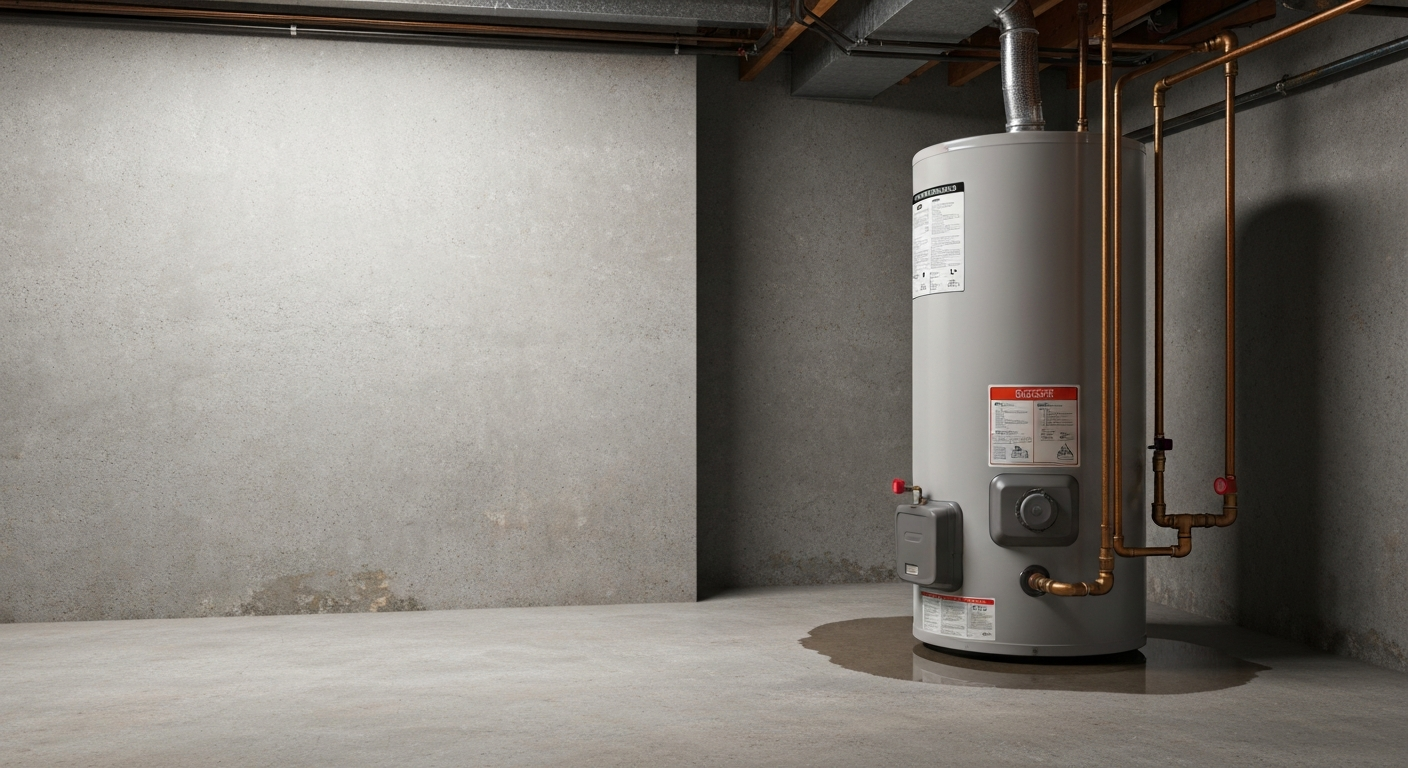
- Leaks Around the Base: Any moisture, pooling water, or puddles around the base of your water heater is a major red flag. This usually means the inner tank has developed a micro-fracture due to constant heating and cooling cycles. A leaking tank cannot be repaired; it must be replaced immediately to prevent a massive flood in your home.
- Frequent Repairs: If you find yourself calling a plumber multiple times a year to fix your water heater, the cumulative cost of repairs will soon outweigh the cost of a new unit. Investing in a modern, energy-efficient model will save you money and stress in the long run.
The Benefits of Upgrading
Replacing an old water heater before it completely fails gives you the opportunity to research and choose the best replacement for your home's needs. Modern water heaters, especially tankless models, are significantly more energy-efficient than older units. An upgrade can lower your monthly utility bills, provide a continuous supply of hot water, and give you peace of mind knowing your home is safe from water damage.
When to Call a Professional
If you notice any of these warning signs, it's crucial to have a professional inspect your unit. Attempting to repair or replace a water heater yourself can be dangerous due to the electrical and gas connections involved. We offer comprehensive water heater repair and installation services to ensure your home always has reliable hot water.
